
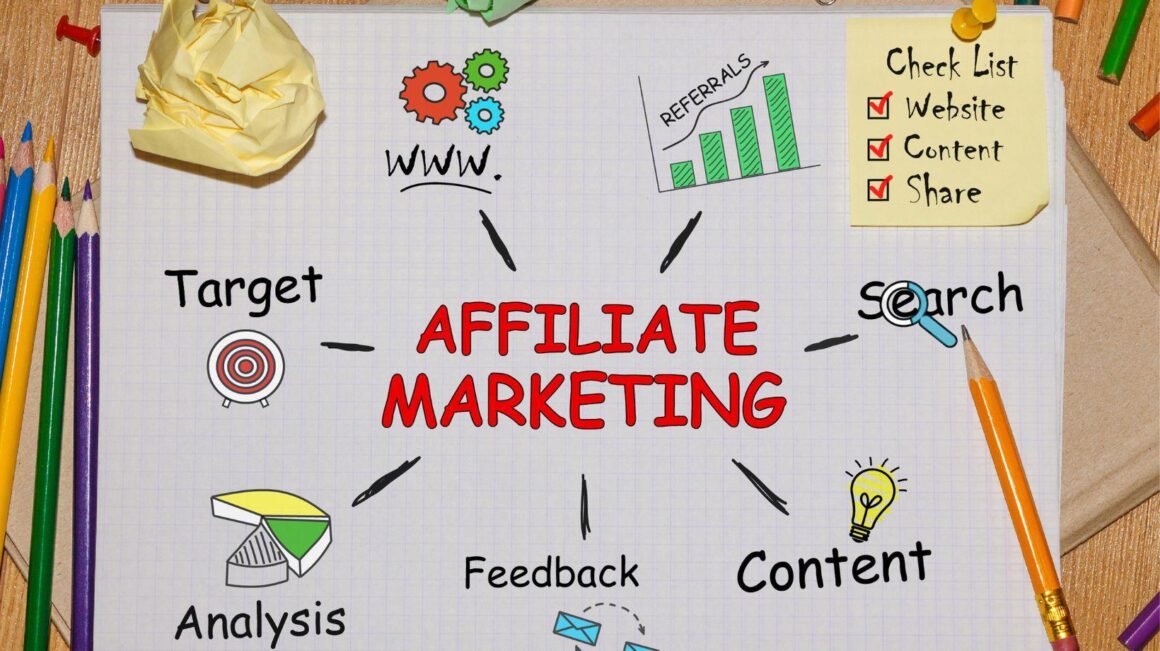
Affiliate marketing gets harder once organic growth flattens and display clicks fade across placements that used to pay. Native ads are a logical next test at that point, but only when one offer converts and tracking is clean enough to show which click earned the commission. Without those basics, paying for more clicks won't solve the problem.
Organic growth has stalled but readers still respond
Most affiliate sites reach a point where new posts stop bringing in new visitors. Rankings hold steady, old guides still get comments and email signups, yet total sessions don't move month to month. That is normal once a site has covered its main topics. There's little left to win without chasing weak keywords or publishing for its own sake while costs stay the same.
Native ads fit here because they put proven ideas in front of new readers. A guide that ranks for one term can be reframed as teaser ads and shown on topic-aligned pages through contextual targeting, reaching readers who never search for it. The click lands on the same useful editorial content rather than a hard pitch. That reuse is the point. It lets an affiliate team buy reach for successful content instead of writing another post for each small search variation.
Don't test native to save weak content. Test it when organic results show people want the topic and paid traffic can reach more of those readers. If email open rates and time on page stay strong while search sessions flatten, that contrast is a useful signal.
Banner clicks have faded while editorial attention holds
Display banners often tell the story first. Impressions stay high and placements stay viewable, yet click-through rate slides for months even after fresh banners go live. Readers still spend time on reviews and how-to pieces that answer real buying questions. They just don't notice the boxes around them. That split is banner blindness in plain form.
Native advertising was built for that gap. Units follow the form of surrounding editorial content with a headline and image that sit inside the feed. Because the unit doesn't look like a boxed banner, the eye doesn't skip it in the same way. In a 2013 study, Sharethrough and IPG Media Lab found that consumers looked at native ads 53% more frequently than display ads. That historical result is a reason to test the format, not an expected lift for a new campaign.
Ad blockers can affect native placements as well as conventional banners. Labels and content-like styling do not guarantee delivery through a filter. Evaluate the inventory actually available and inspect reporting definitions, rather than treating native as a way around a reader's blocking choice. Strong design still matters for the people who receive the ad.
One affiliate offer already converts on a fast page
Readiness starts with results before paid traffic. One affiliate offer has steady clicks and sales from organic or email, and the payout, cookie length, refund terms, and traffic rules are clear. Check that the affiliate terms allow paid native placements, since some programs limit paid traffic or require prior approval. If those basics aren't there, native clicks will expose the gap instead of fixing it.
Conversion rate optimization decides what happens next. Small frictions hurt paid returns faster than organic returns because each bounce has a direct cost. Check load time on phones and whether the page headline matches the ad. Paid traffic is blunt. It won't wait for slow templates or vague promises.
Don't send teaser traffic to a home page or a crowded archive. Send it to a focused page that keeps the promise made in the creative and asks for one clear action. Fast loading, a single ask, honest proof, and clear return terms matter more than clever design when money is on the line. There's no point buying clicks for a page that can't convert them.
Tracking ties every click to a payout
Affiliates can't judge native without data covering the full path. Use supported campaign and placement parameters alongside a click identifier, then connect approved affiliate actions through a supported tracking integration. Affiliates may not control the merchant's checkout or be allowed to place pixels there. Document which records are available and reconcile them without assuming perfect user-level visibility. Without that chain, there's no way to know which publisher or headline drove a sale. Spend turns into guesswork fast.
Break-even math comes next. Cost per click has to be weighed against commission after cancellations, not before. If a $40 commission converts once per 100 clicks, the average click can't cost more than $0.40 to stay flat. Return on ad spend is the check that keeps daily decisions grounded in results.
Don't launch five publishers at once without that math in a sheet. Start with one feed and one offer page so results stay readable. Let pixels gather enough events to show which headline earns the click and which page keeps visitors moving through to checkout. That patience is hard when spending starts, but it can save a small affiliate business from costly mistakes.
When offer permission, tracking, economics, and a workable destination are all in place, native ad affiliate marketing becomes a channel that deserves a small, measurable test budget rather than a full-scale launch.
The sale needs teaching before it closes
Some affiliate deals close fast with price and proof. Many don't. Finance guides and B2B SaaS walkthroughs often need to explain the subject before a reader trusts a link, as do education courses and health supplement explainers. Native fits those cases because the ad can appear next to advice instead of competing for attention over it.
Contextual targeting gives that teaching a relevant setting. A budgeting checklist promoted inside money content gets a fair read, as does a software comparison shown beside operations advice. The reader is already in learning mode, so teaser ads that promise a clear explainer don't feel out of place when the surrounding page covers the same problem. That fit won't save a weak offer, but it lowers the friction for a strong one.
Don't use native to push bold claims in these niches. Use it to extend the same calm explainer voice that already earns organic trust. Readers can tell when help turns into hype, and they click away fast. Have supporting evidence and FAQs ready on the page before paying for the visit.
Pricing logic matches the payout model
Cost per click and cost per mille serve different purposes. Cost per click keeps spend tied to visits, which suits a direct affiliate offer with a tight payout. Cost per mille buys views, which suits warm-up or retargeting where the goal is recall before the next visit. Pick the model before launch, not after the bill arrives.
Direct-response affiliates often start with cost per click because the math is simple. Each click has a price and each sale has a commission, so break-even is easy to test. Awareness sequences are different. There, a publisher audience needs repeated exposure before it acts, so paying per thousand views can be cheaper than chasing single clicks that never had time to build trust. Retargeting works similarly.
It reaches past visitors who already know the topic. Neither payment model establishes intent or profitability. Compare the resulting cost per approved action and the exposure needed for the offer, using the same revenue definition across tests.
Match payout timing too. If commissions pay after trial or approval, keep daily caps low until cash flow shows that the campaign can sustain itself.
Creative depth and test budget are ready
Native depends heavily on fit. The same headline can't run unchanged across five publisher feeds and still feel at home. Each placement has its own tone and image crop, so creative has to be adapted for that slot. That means headlines and images that echo editorial content without copying it. It's extension, not interruption.
Ad fatigue hits fast when one winner gets all the spend. Click-through rate drops and cost per click climbs as the same audience stops noticing. Plan for that slide with a reserve of approved creative of four fresh angles ready before launch. Swap on schedule and split traffic by interest so no single group sees the same teaser too often.
Budget is part of readiness too. There's no fixed number that proves fit, but there has to be enough to get meaningful results from two placements and four creatives. Stop tests promptly when break-even CPC stays out of reach after fair volume.
Don't raise spend because one day looked good. Raise it when two placements show steady margins across different days.
Disclosure and approval come before scale
Native must stay clearly marked as paid. Labels like sponsored or advertisement keep trust intact and keep publishers willing to run the unit. Copy that mimics editorial content too closely gets rejected and burns reader goodwill. Don't promise cures or income that can't be backed up on the landing page. Review standards on major platforms are strict on those claims, and Google Ads policies reflect that stance.
Build review into the plan. Keep disclosure language and supporting evidence with each creative so approval doesn't stall when a publisher asks for backup. Check each publisher spec for label placement and image rules before upload. That habit won't remove rejections, but it cuts most avoidable ones.
Past organic wins don't promise paid wins. Treat each native test as a question with a cost, not a promise of profit. Keep screenshots and supporting documentation together with approval notes and change logs so fixes take minutes, not days.
Have one person own compliance checks before anything goes live. That owner reviews labels and makes sure the landing page matches every ad variant.
Native clicks reward basics done well. Clear tracking, one proven offer, honest creative, and room to test decide the outcome more than any placement trick. Start small and read the numbers daily, pausing losers quickly while keeping what earns. With those pieces in place, a small trial can limit wasted spend and give a clearer answer about whether the channel fits.