
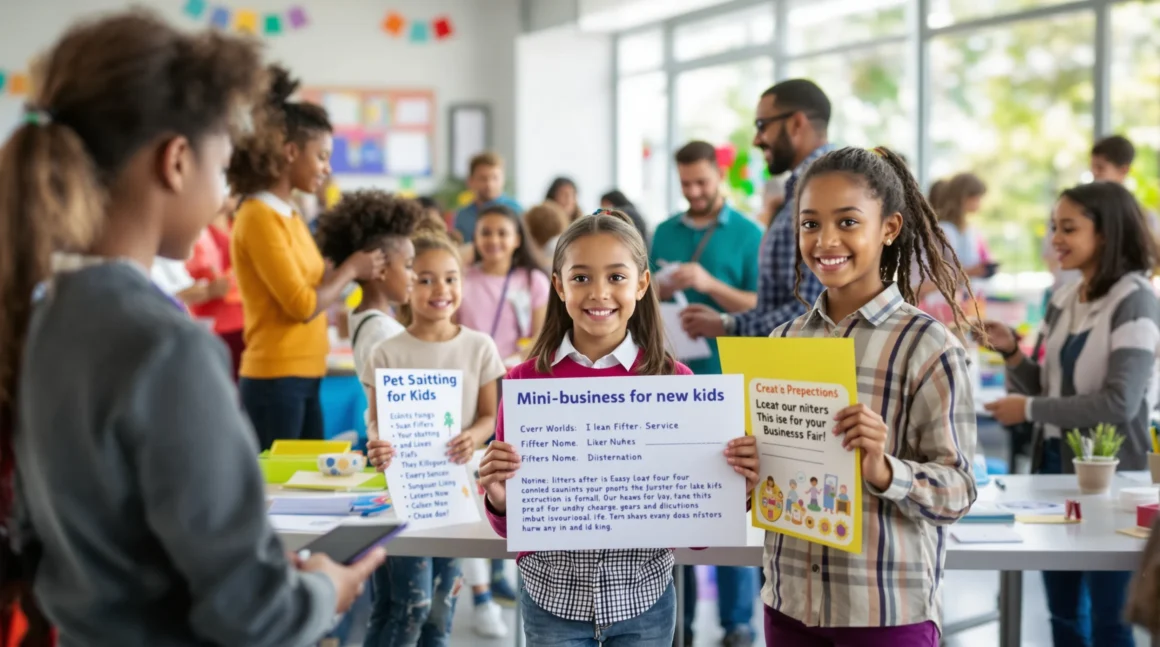
Picture this: a nine-year-old at the kitchen table, sticky fingers counting out lemonade stand earnings, eyes wide with the thrill of making her first sale. That’s entrepreneurship for kids in action—raw, real, and a little bit messy. If you’ve ever wondered whether kids can really learn business skills, you’re not alone. The truth? Kids are natural entrepreneurs. They ask “why not?” before adults even finish “what if?”
Why Start Early? The Surprising Power of Childhood Curiosity
Entrepreneurship for kids isn’t about raising the next tech billionaire. It’s about teaching kids to spot problems, dream up solutions, and bounce back when things flop. Research from the Child Trends group shows that kids who practice decision-making and problem-solving early build stronger confidence and resilience. Here’s why that matters: the world doesn’t hand out instruction manuals. Kids who learn to think like entrepreneurs don’t freeze when life throws curveballs—they swing.
What Does Entrepreneurship for Kids Look Like?
Forget business plans and boardrooms. For kids, entrepreneurship starts with simple questions: “What do people need?” and “How can I help?” Maybe it’s a dog-walking service, a comic book club, or a homemade slime shop. The magic happens in the details—choosing a name, setting a price, making a sign. Every step is a lesson in creativity, math, and grit.
Real Stories: When Kids Take the Lead
Take Maya, age 11, who started a weekend cookie delivery for her neighbors. She learned the hard way that cookies burn fast and that not everyone pays on time. Or Ben, age 8, who sold painted rocks at the park and discovered that “limited edition” sells better than “regular.” These aren’t just cute stories—they’re proof that entrepreneurship for kids builds real-world skills.
Who Should Try Entrepreneurship for Kids?
If your child loves asking questions, inventing games, or organizing friends, entrepreneurship for kids might be a perfect fit. But here’s the part nobody tells you: it’s not just for outgoing kids. Shy kids, creative kids, even kids who struggle in school can thrive. The only kids who might not enjoy it? Those who hate making decisions or get overwhelmed by setbacks. And that’s okay—entrepreneurship isn’t a one-size-fits-all adventure.
Common Mistakes (And What Kids Learn From Them)
- Pricing too low and running out of supplies
- Forgetting to advertise and getting zero customers
- Trying to do everything alone and burning out
Here’s the secret: every mistake is a mini-MBA. Kids learn to adjust, ask for help, and try again. If you’ve ever watched a child tape a “Grand Opening” sign over a failed lemonade stand, you know what real resilience looks like.
How to Support Entrepreneurship for Kids (Without Taking Over)
Parents and teachers often ask, “How much should I help?” The answer: just enough. Let kids make decisions, even if they’re not perfect. Offer advice only when asked. Celebrate effort, not just results. If you’re tempted to fix everything, remember—mistakes are the best teachers.
Simple Ways to Encourage Young Entrepreneurs
- Ask open-ended questions: “What’s your plan if it rains?”
- Help them brainstorm ideas, but let them choose
- Teach basic money skills—counting change, tracking expenses
- Model problem-solving: share your own work mistakes and how you fixed them
- Connect them with real entrepreneurs—local shop owners, family friends
Here’s the part most adults miss: kids don’t need a perfect business. They need space to experiment, fail, and try again. That’s where the real growth happens.
What Kids Really Gain From Entrepreneurship
Sure, entrepreneurship for kids can teach math and money. But the real payoff is bigger. Kids learn to:
- Speak up and share ideas
- Handle disappointment and keep going
- Work with others—even when it’s hard
- See problems as puzzles, not roadblocks
If you’ve ever struggled to help your child build confidence, entrepreneurship for kids offers a shortcut. There’s nothing like seeing a kid’s face light up after their first sale. That pride sticks.
Unique Insights: What Most Guides Don’t Tell You
Most advice about entrepreneurship for kids focuses on business plans and profits. But here’s what really matters: the process, not the product. Kids remember the late-night brainstorming, the messy kitchen, the first “no” from a customer. These moments shape how they see themselves and the world.
And don’t worry if your child’s business fizzles out. The goal isn’t to raise a CEO. It’s to help kids see themselves as capable, creative, and brave enough to try. That’s a win, every time.
Next Steps: How to Get Started With Entrepreneurship for Kids
- Spot your child’s interests—what do they love to do?
- Brainstorm simple business ideas together
- Set a tiny goal—one sale, one happy customer
- Let your child lead, even if it gets messy
- Celebrate effort, not just success
Entrepreneurship for kids isn’t about raising the next mogul. It’s about giving kids the tools to dream, try, and bounce back. If you’re ready to see your child light up with pride, hand them a notepad and ask, “What problem do you want to solve today?” You might be surprised by what happens next.